


Multiply Your Green Friends
Time: 6 - 7 minutes (1566 words)
Published: July 21, 2024
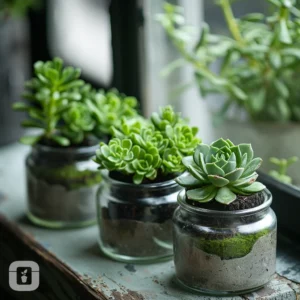
Have you ever gazed at your thriving houseplants and wished you could multiply them without breaking the bank? Good news Plant Hoarders and Unlikely Gardeners, you can! Welcome to the world of indoor plant propagation, where a single leaf or stem cutting can turn into a whole new plant. Not only is propagation a cost-effective way to expand your indoor jungle, but it's also an incredibly rewarding experience that allows you to witness the miracle of plant growth firsthand.
Table of Contents
What is Plant Propagation?
At its core, plant propagation is the process of creating new plants from existing ones. This age-old technique has been used by unlikely gardeners and botanists for centuries to reproduce plants genetically identical to their parents. For indoor plant hoarding enthusiasts, propagation offers a way to:
- Expand your plant collection for free
- Share plants with friends and family
- Save struggling plants by creating healthy new growth
- Experiment with different growing conditions
The Science Behind Propagation
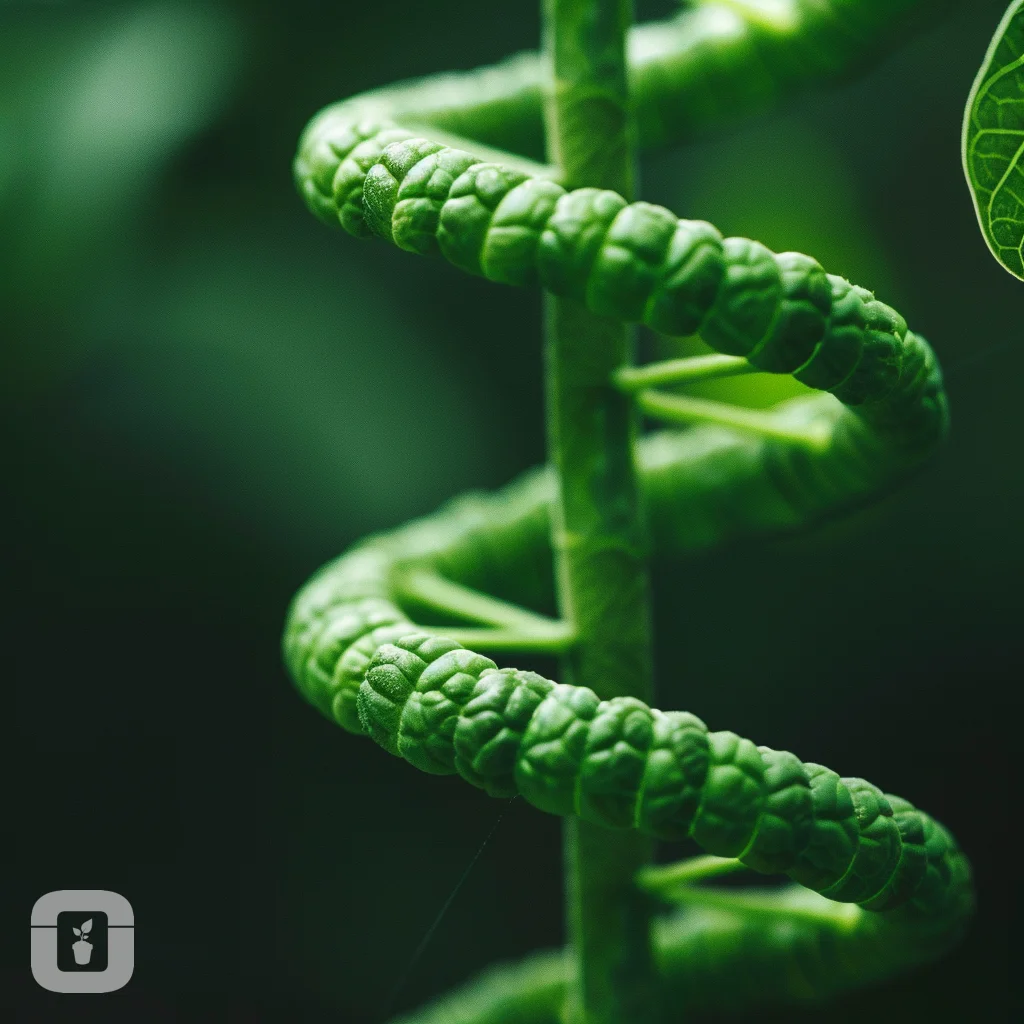
Plant propagation relies on a fascinating biological process called cellular totipotency. This means that many plant cells have the ability to develop into any cell type and, ultimately, an entire plant. When unlikely gardeners propagate plants, we're essentially exploiting this ability.
The hormonal process of propagation involves two key plant hormones:
- Auxins: These hormones stimulate root growth. When you cut a stem, auxins concentrate at the cut site, promoting root development.
- Cytokinins: These hormones promote cell division and shoot growth. The balance between auxins and cytokinins determines whether roots or shoots develop.
Pro Tip: To encourage root growth in hardwood cuttings, you can apply synthetic auxins in the form of rooting hormones. These are particularly helpful for plants that are difficult to root.
Main Propagation Methods
1. Stem Cuttings
Stem cutting is one of the most common and easiest propagation methods, suitable for a wide variety of houseplants.
Water Propagation:
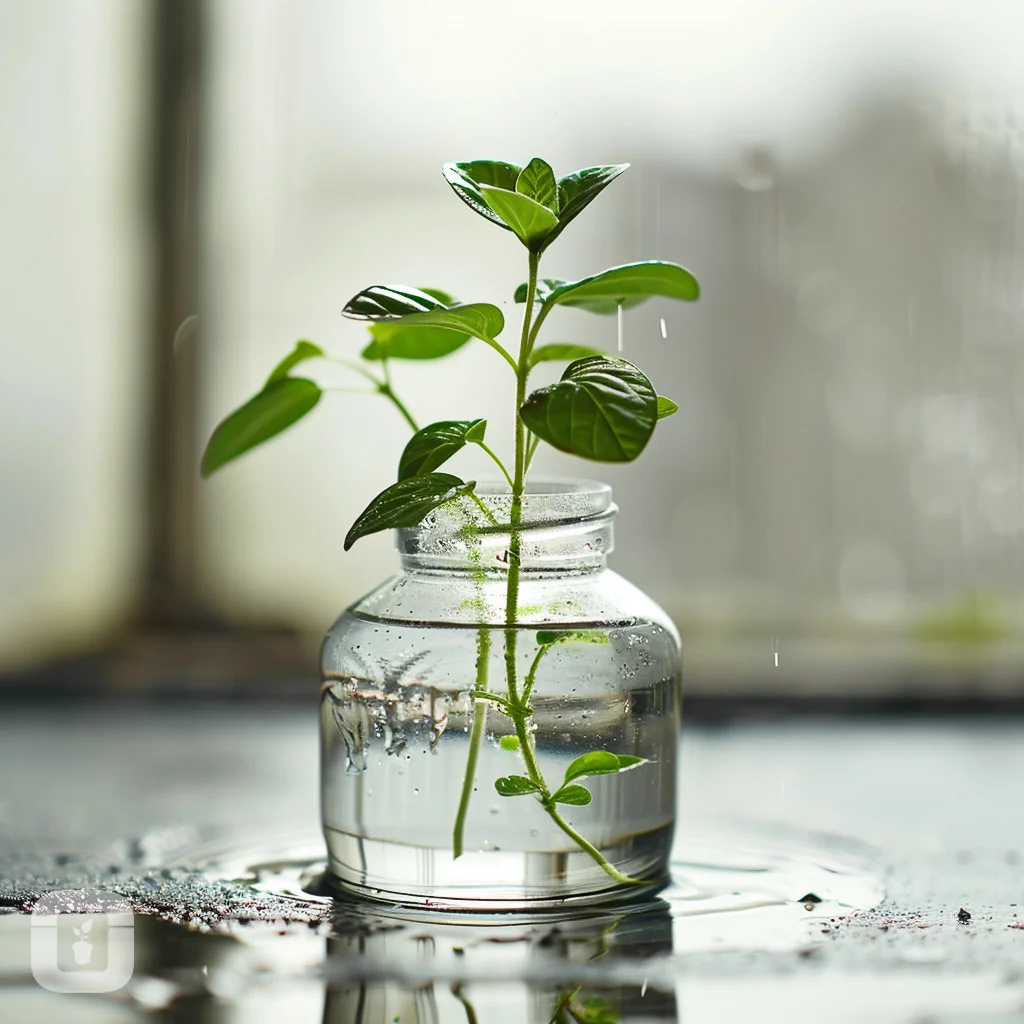
- Cut a 4-6 inch stem just below a node (where leaves attach to the stem)
- Remove lower leaves, leaving 2-3 at the top
- Place the cutting in a clear container of water
- Change the water every few days
- Once roots are 1-2 inches long, transplant to soil
Soil Propagation:
- Prepare a small pot with well-draining potting mix
- Dip the cut end in rooting hormone (optional)
- Plant the cutting in the soil, ensuring the node is covered
- Keep the soil moist but not waterlogged
- Place in bright, indirect light
Plants ideal for stem cuttings include pothos, philodendron, and monstera.
Pro Tip: When taking stem cuttings, always use clean, sharp scissors or pruning shears to minimize damage to the parent plant and reduce the risk of infection in your cutting.
2. Leaf Cuttings
Some plants can grow entirely new plants from just a leaf!
- Choose a healthy leaf and cut it off close to the stem
- For succulents, let the cut end callus over for a day or two
- Place the leaf on top of well-draining soil
- Mist the soil to keep it slightly damp
- Wait for tiny roots and new growth to appear
This method works well for succulents, snake plants, and African violets.
3. Division
Division is perfect for plants that naturally produce multiple stems or crowns.
- Remove the plant from its pot
- Gently separate the root ball into smaller sections, each with stems and roots
- Repot each section in fresh potting mix
- Water thoroughly and place in indirect light
Plants that benefit from division include spider plants, peace lilies, and many ferns.
4. Air Layering
Air layering is an excellent method for propagating woody plants or those with thick stems.
- Choose a stem and remove a ring of bark about 2.5 cm wide
- Apply rooting hormone to the exposed area
- Wrap the area with damp sphagnum moss
- Cover the moss with plastic wrap and secure both ends
- Once roots are visible through the moss, cut below the roots and pot the new plant
This method works well for rubber plants (Ficus elastica) and other woody houseplants.
Pro Tip: Air layering is particularly useful for plants that are difficult to root from cuttings or when you want to create a new plant while leaving the stem attached to the parent plant.
5. Aeroponics
Aeroponics is a high-tech propagation method where cuttings are suspended in air and misted with a nutrient solution.
- Take cuttings as you would for water propagation
- Place the cuttings in an aeroponic system or DIY setup
- Ensure the system mists the cuttings regularly
- Once roots develop, transplant to soil
While less common for home use, aeroponics can result in faster rooting and healthier plants.
Softwood vs. Hardwood Cuttings
Understanding the difference between softwood and hardwood cuttings can improve your propagation success:
Softwood Cuttings:
- Taken from new, soft growth
- Root more quickly but are more prone to wilting
- Best taken in spring or early summer
- Examples: herbs, annuals, and many houseplants
Hardwood Cuttings:
- Taken from mature, woody stems
- Root more slowly but are more resilient
- Best taken in late fall or winter when the plant is dormant
- Examples: roses, fruit trees, and some woody houseplants
Pro Tip: For hardwood cuttings, use a rooting hormone to increase your chances of success. The woody tissue is more resistant to rooting, and the hormone gives it an extra boost.
Benefits of Rooting Hormones
Rooting hormones can significantly improve your propagation success rate, especially for plants that are difficult to root. They offer several benefits:
- Faster Rooting: Stimulates root growth, reducing the time it takes for cuttings to develop roots
- Higher Success Rate: Increases the percentage of cuttings that successfully root
- Stronger Root Systems: Promotes the development of more robust and healthier roots
- Disease Resistance: Some rooting hormones contain fungicides that protect cuttings from diseases
Rooting hormones are available in powder, liquid, and gel forms. Choose the one that best suits your needs and the type of plants you're propagating.
Pro Tip: When using rooting hormone, less is more. A light dusting or dip is sufficient – too much can actually inhibit root growth.
Challenges and Troubleshooting
While propagation is generally straightforward, you might encounter some challenges:
- Rotting: If cuttings rot, ensure you're not overwatering. For water propagation, make sure no leaves are submerged.
- Failure to root: Some plants take longer to root than others. Be patient and ensure the cutting is getting enough light.
- Yellowing leaves: This could indicate overwatering or nutrient deficiency. Adjust watering and consider adding a weak fertilizer solution.
- Pest infestations: Keep propagation areas clean and isolate new cuttings to prevent pest spread.
Pro Tip: If you're struggling with water propagation, try adding a small piece of activated charcoal to the water. It helps keep the water clean and can promote better root development.
Best Plants for Beginners
If you're new to propagation, start with these easy-to-grow plants:
- Pothos: Roots quickly in water or soil
- Spider Plant: Produces ready-to-plant "babies"
- Monstera: Stem cuttings root easily in water
- Snake Plant: Leaf cuttings are slow but steady
- English Ivy: Roots well in water or soil
- Philodendron: Various species root easily from stem cuttings
- Tradescantia: Roots quickly and grows fast
Pro Tip: Start with multiple cuttings of the same plant. This increases your chances of success and allows you to experiment with different propagation methods simultaneously.
Environmental Factors for Successful Propagation
Creating the right environment is crucial for successful propagation. Consider these factors:
- Light: Most cuttings prefer bright, indirect light. Direct sunlight can be too intense and cause wilting.
- Temperature: Warm temperatures (20-25°C) generally promote faster rooting.
- Humidity: High humidity reduces water loss from cuttings. Use a clear plastic bag or propagation dome to create a mini-greenhouse effect.
- Air circulation: While humidity is important, some airflow prevents mould growth. If using a cover, remove it briefly each day for air exchange.
Pro Tip: For humidity-loving plants in an enclosed area, create a pebble tray by filling a shallow tray with pebbles and water. Place your propagation pots on top of the pebbles, ensuring they're not sitting in water. If not in an enclosed area, a pebble tray will do next to nothing to increase relative humidity.
Ethical Considerations in Plant Propagation
While propagation is a wonderful way to expand your plant collection, it's important to consider ethical aspects:
- Respect plant patents: Some plants are patented and illegal to propagate without permission.
- Be cautious with gifted or purchased cuttings: Ensure you have permission to propagate them.
- Consider invasive species: Be responsible when propagating non-native plants that could become invasive if released into the wild.
Pro Tip: If you're unsure about the legal status of a plant, research its cultivar name or check with the seller or gifter before propagating.
Plant Propagation Conclusion
Indoor plant propagation is a fascinating and rewarding aspect of plant care that allows you to multiply your green friends with minimal effort and cost. Whether you're looking to fill your home with more greenery, share the plant love with others, or simply enjoy watching new life grow, propagation is the perfect solution.
Remember, every plant is different, so don't be discouraged if your first attempt doesn't succeed. With patience, practice, and the knowledge you've gained from this Unlikely guide, you'll soon be propagating like a pro. So why wait? Take a cutting from your favourite houseplant today and start your propagation journey!
Happy growing!
Disclosure: This article used AI to assist with surfacing up-to-date, appropriate research, organization, and copy editing, much like traditional publishing uses editorial tools and staff. All information is verified against peer-reviewed evidence by a human before publishing. AI-generated images may also be used to illustrate concepts and add visual interest, never to represent them as photographic evidence or to fabricate observations, results, or real-world events. Read my full AI disclosure for more information.

The Unlikely Gardener
aka, Kyle Bailey
Kyle Bailey is the founder of UnlikelyGardener.com, where science meets soil. He also runs the wildly popular Facebook community
Plant Hoarders Anonymous (PHA), home to ~418,000 plant lovers sharing real talk and real results, as well as more than 13,000 followers of his Facebook alter-ego, The Unlikely Gardener.When Kyle’s not knee-deep in horticultural research or myth-busting bad plant advice, he’s leading two marketing agencies—
City Sidewalk Marketing, which supports local small businesses, and
Blue Square Marketing, focused on the skilled trades.He’s also a proud dad, grandfather (affectionately referred to as Grumpy), and a dog daddy to three pit bull mix rescues—including one 165-pound lap dog who hasn’t gotten the memo.
Life is busy. Give Us Your Name & Email and We'll Send You Content.
